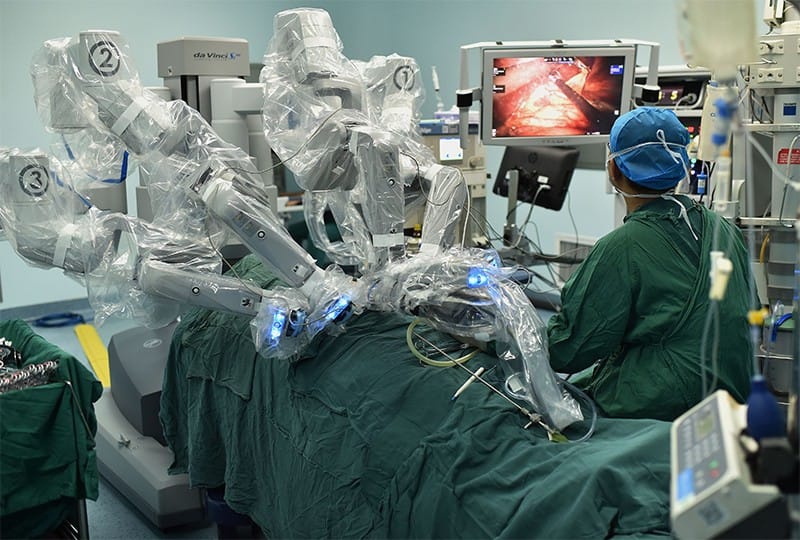
China has officially opened what it calls its first hospital demonstration unit dedicated to large-scale medical robotics.
The hospital:
Beijing Anzhen Hospital
Designated by the Beijing Municipal Government as the city’s first official “robots in medical applications” pilot site.
🧠 25 Types of Medical Robots
The hospital currently houses 25 different medical robots undergoing clinical trials.
They’re deployed across:
• Outpatient clinics
• Pharmacies
• Hospital wards
• Operating rooms
• Catheterization labs
This isn’t a single surgical arm.
It’s an ecosystem.
⚙ What Are They Doing?
These robots function as intelligent assistants, not replacements.
Examples include:
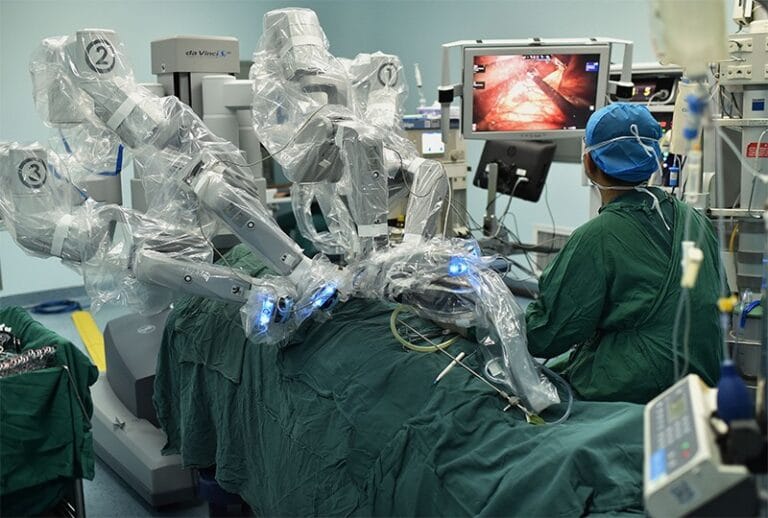
• Surgical precision systems
• Medication dispensing automation
• Patient monitoring robots
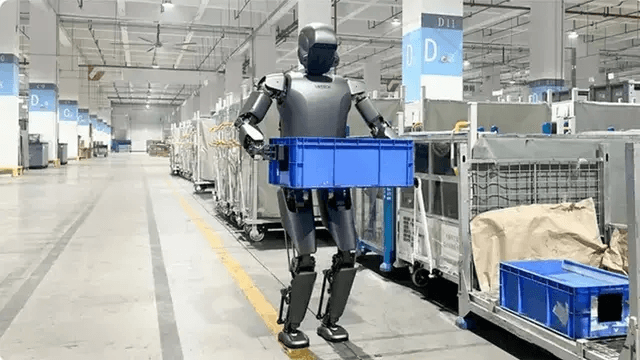
• Logistics robots transporting supplies
• Catheter lab assistance
They augment doctors, reduce manual workload, and standardize repetitive processes.
🚀 Why This Matters
China is rapidly integrating AI + robotics into core infrastructure.
Healthcare is one of the most complex sectors to automate.
If robotics can:
• Improve surgical precision
• Reduce human error
• Shorten wait times
• Increase hospital efficiency
It could dramatically reshape public healthcare systems.
🏥 Smart Hospital Transformation
Beijing Anzhen Hospital is positioning itself as a blueprint for:
• Digitized care pathways
• AI-assisted diagnosis
• Automated hospital logistics
• Data-driven clinical optimization
This is part of China’s broader push toward smart cities and intelligent public services.
🌍 The Bigger Picture
Robot-assisted healthcare is expanding globally.
But China’s approach is different:
Scale first.
Standardize fast.
Deploy widely.
If successful, this model could accelerate global adoption of AI-integrated hospitals.
The question now isn’t:
“Will robots enter hospitals?”